
In a world of fleeting trends and disposable culture, vintage fragrances serve as olfactory time capsules. They offer a unique window into the past, evoking emotions, memories, and even a sense of time travel. For perfume enthusiast and indie perfumer Darren Alan, these vintage scents are more than just fragrances; they’re precious artifacts of our shared past.
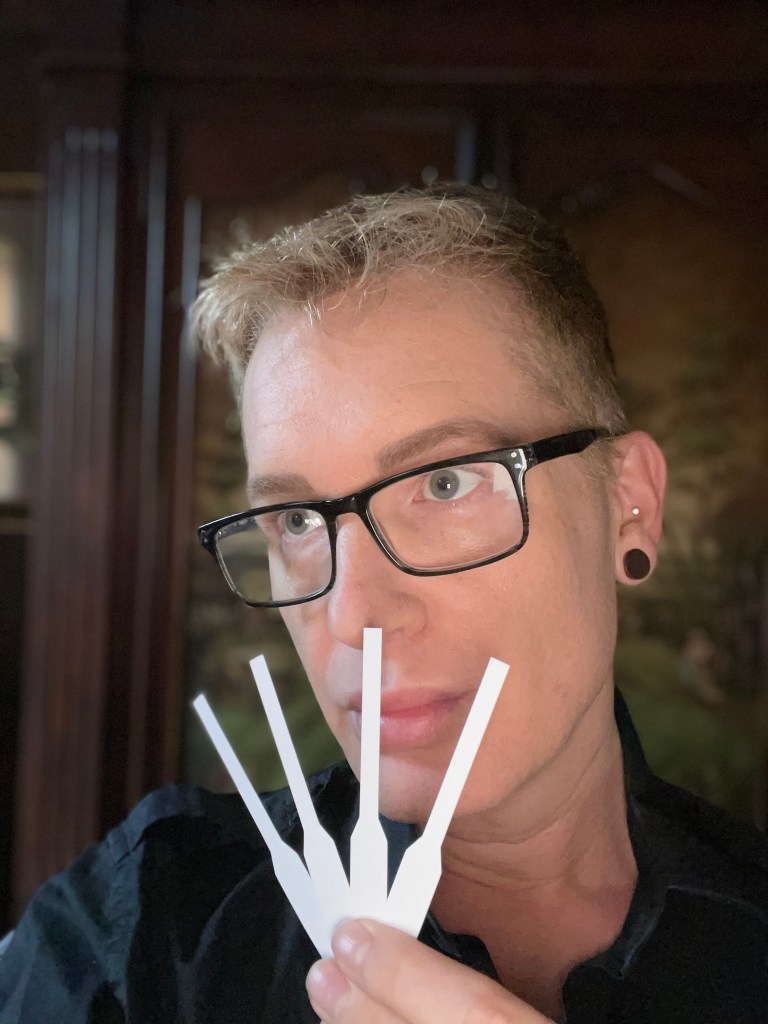
Darren defines “vintage” as any perfume that is at least 20 or 30 years old, or anything that is no longer being made.
In this Fragrances With Friends interview, we explore the world of vintage perfumes through Darren’s eyes. He shares his early fascination with fragrance and how it transformed into a profession. He also discusses how his love of vintage perfumes evolved into a personal mission to appreciate and preserve olfactory history.
Tell me what initially sparked your fascination with perfume, vintage perfumes in particular.
My obsession with scent began in childhood. At Christmas, when other children were ripping open their presents, I was the kid sniffing the wrapping paper. My grandparents had a large garden, and I spent a lot of time in it, helping them care for their flowers, herbs, and vegetables. I can’t remember a time when I wasn’t drawn to fragrance.
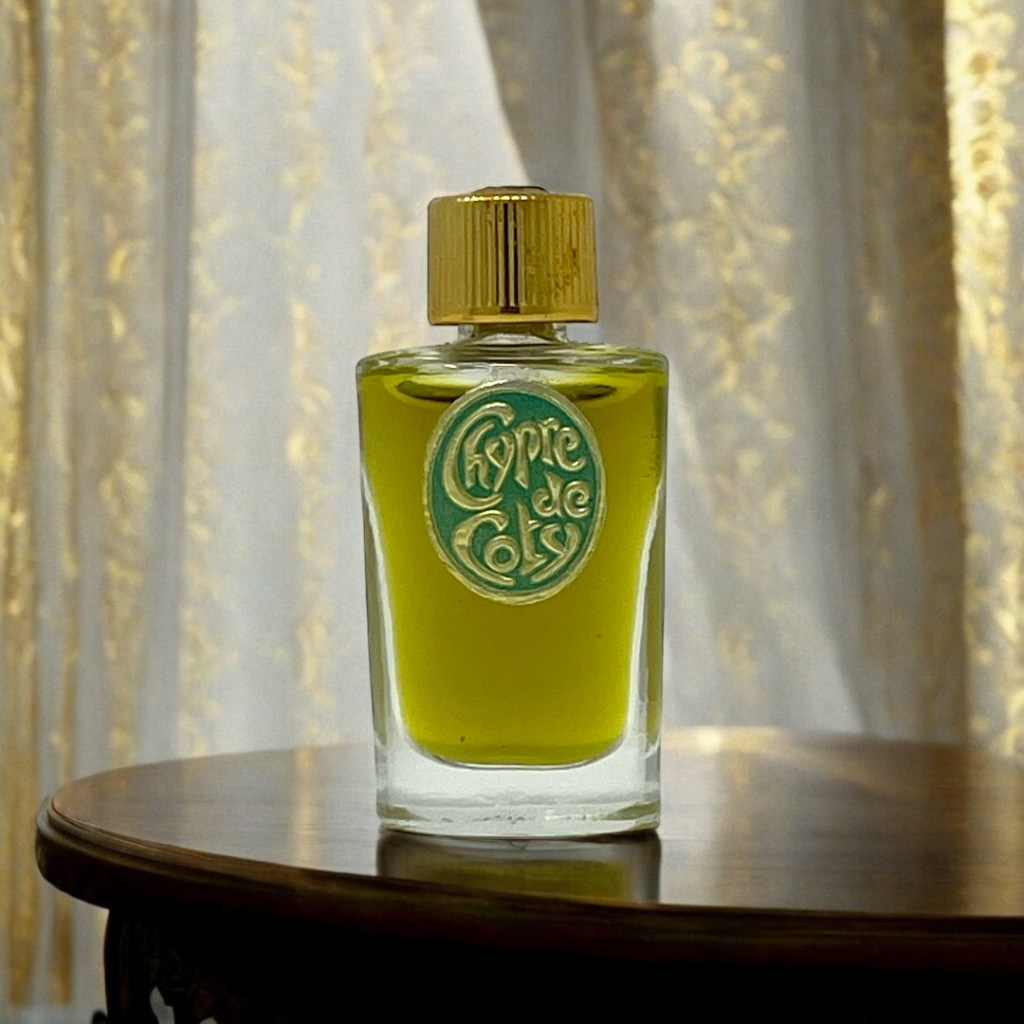
My enthusiasm for fragrance led me, first, to a job in aromatherapy, and then to studying perfumery. During my studies, we analyzed many classic formulas such as Chypre de Coty, Chanel No. 5, and Mitsouko by Guerlain. I was thrilled to recognize many of these smells from my own childhood. I realized, belatedly, that my mother and my grandmother had had impressive fragrance collections, including many perfumes that are now considered modern classics. Studying these perfumes unlocked a hidden world of scent memories.
I’ve been interested in vintage perfumes ever since then, and I constantly draw on these perfumes to inspire the perfumes I create today.
What’s your favorite genre of vintage perfumery?
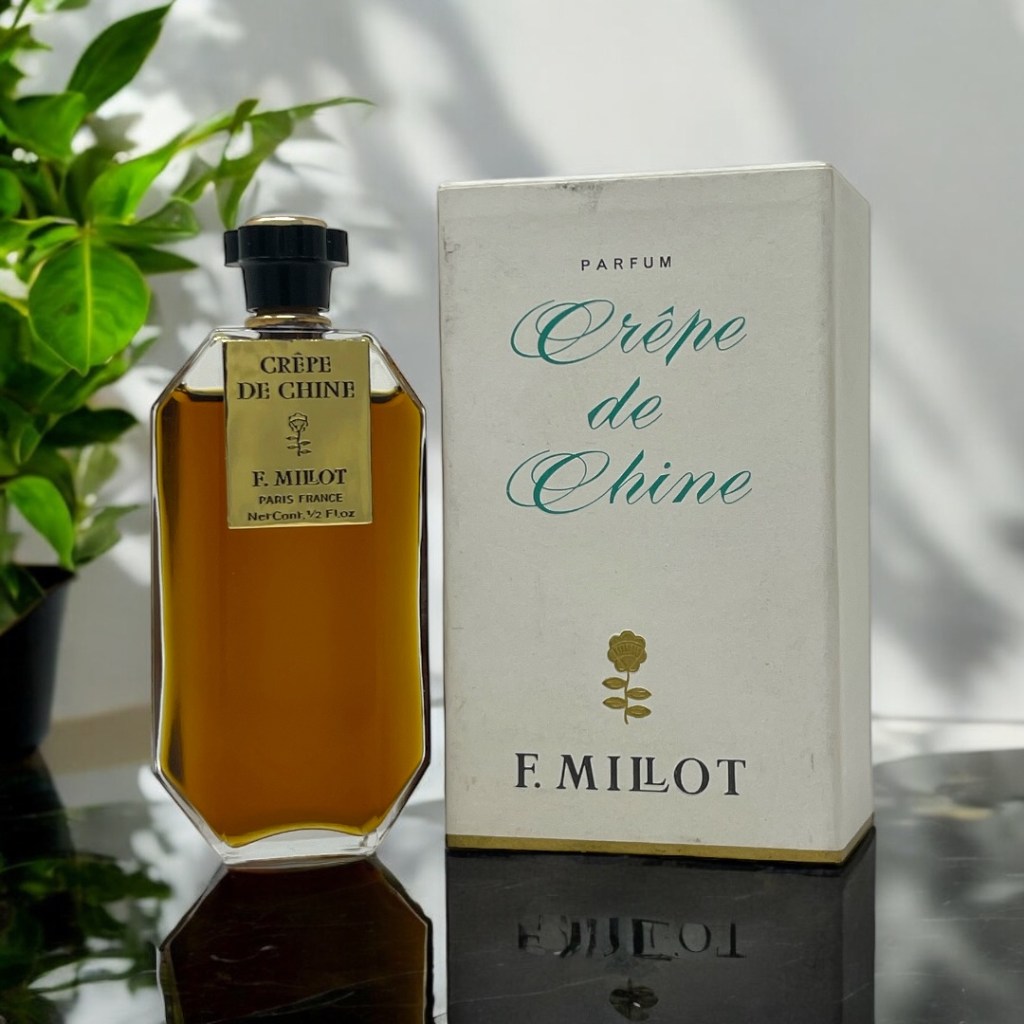
My true love is chypre fragrances—I dedicated seven years to studying them in perfumery school. I have a particular fondness for classics of the genre, like Chypre de Coty, Crepe de Chine by Millot, and Mitsouko. These perfumes are absolutely iconic.
Which version of Mitsouko do you prefer?
I own both the modern eau de parfum from around 2010 and an extrait from the mid-1950s. The extrait is truly exceptional. It’s almost like a different perfume. There are some fragrances I wear just for myself, and that extrait is one of them. I wear it when I am by myself for my own enjoyment.
You’ve described vintage perfumes as olfactory time capsules. How do specific scents transport you to different times and places?
Our sense of smell has a powerful connection to memory and emotion. The olfactory system is linked directly to the limbic brain, which is where we store emotions. It also taps into the hippocampus, where we store our memories. When we smell a fragrance, it triggers memories and feelings stored in the brain. It’s like accessing a specific file in a mental cabinet.
For me and many others, smelling a vintage fragrance isn’t just about recalling a memory but actually reliving past experiences. The smell of baking cookies triggers a memory, and for a split second, you are re-experiencing a hug you received from your grandma when you were seven. Vintage perfumes can also offer a fascinating glimpse into history, allowing you to visit a time and place you may have never experienced yourself.
The ability of vintage fragrances to do all of this depends on how well they’ve been preserved. Older perfumes rarely smell exactly as they did when they were released. Most likely, you are only smelling base notes, or maybe some mid notes. The aldehydes and citruses have likely evaporated or have chemically altered and no longer smell the way they were meant to smell. However, if you get lucky and find a perfume that is exceptionally well preserved, you have an opportunity to time travel through scent.
Have you ever designed your own olfactory time capsule?
My fragrance, Fetes de Noel, is a chypre inspired by my childhood Christmases with my grandmother. It blends my memory of the chypres she wore, the smell of clove oranges my sister and I made to hang on the Christmas tree, and the bayberry candles grandma always burned. This mixture, in my mind, is what I think of when I think of Christmas Eve. Wearing it, I feel transported.
The perfumes popular today are very different from perfumes popular in years gone by. Are there any vintage fragrances you particularly miss?

Perfumery, like any art form, reflects societal changes. The bold, complex fragrances of the past, with their depth and animalic qualities, have given way to lighter, more universally appealing scents. Classics like Shocking by Schiaparelli illustrate this shift.
I’ve smelled the parfum version of Shocking, and it’s incredibly rich, almost masculine, with a dense, spicy, and animalic character. It’s a far cry from today’s mainstream perfumes and requires a confident wearer. While these older fragrances might not appeal to everyone, they offer a fascinating glimpse into the past and a certain allure for those who appreciate their complexity.
Acquiring vintage perfumes can be quite an adventure. Can you share the story of a successful hunt?
The thrill of the hunt is a big part of collecting vintage perfumes. Every time it’s a bit of a crapshoot. I’ve been on a personal quest to track down fragrances I wore in high school. I just want to experience them again.
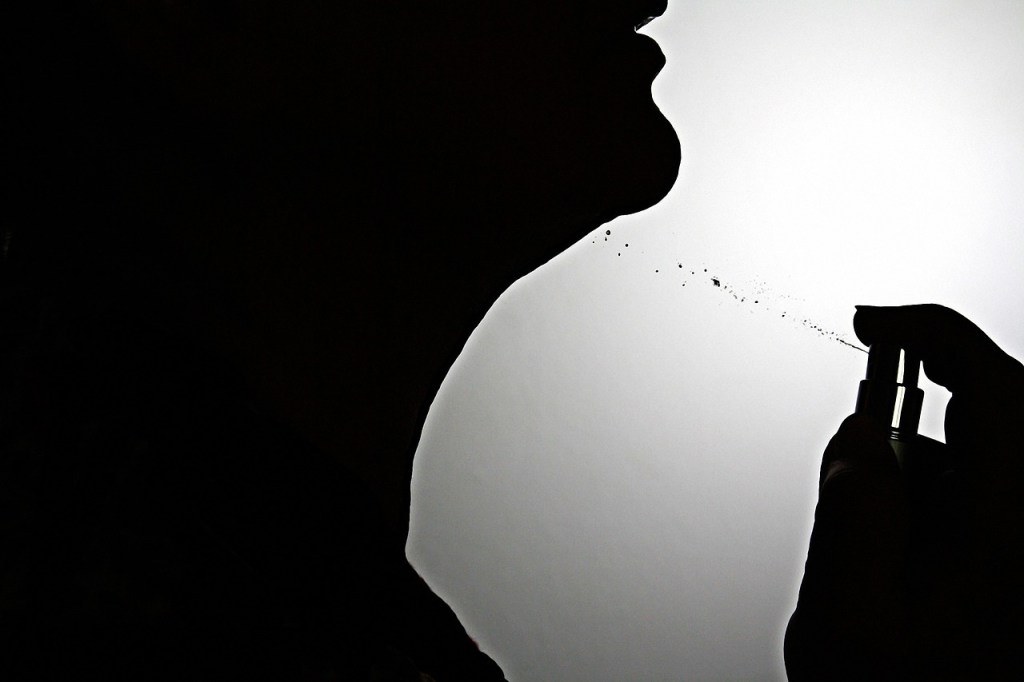
One of these is V.O. Version Originale by Jean-Marc Sinan, long discontinued. It came in a weird angular black bottle. It’s been impossible to find. I was thrilled to find a bottle on eBay, seemingly in good condition, still in the original box and sealed with cellophane. The seller had really good ratings and comments, so I decided to take a chance on it. I’m so glad I did. The bottle was absolutely pristine. When I sprayed it the first time, I had to take a minute. I was flooded with a rush of memories, some I had not recalled until that moment.
Scent has such an incredible power to evoke vivid memories. You smell a perfume, and it’s like a time warp—for a split second, you’re reliving your past. Then as soon as you consciously realize what’s going on, that feeling begins to fade, and the experience becomes only a memory again. It’s gone. That feeling of time travel is exhilarating and addictive.
What are some of the challenges and concerns associated with collecting and wearing vintage fragrances?

The challenges in collecting vintage perfumes include availability, cost, and the risk of purchasing counterfeit or diluted products. I’ve personally encountered sellers who intentionally added alcohol or water to their fragrances. Additionally, the financial aspect can be daunting, as vintage perfumes can be quite expensive. To manage my spending, I limit myself to one vintage purchase per month.
Wearing vintage fragrances also presents challenges. I’m mindful of using them sparingly to ensure they last. After all, when they’re gone, I may not be able to find them again. There’s also the concern of potential health risks, as some vintage perfumes may contain harmful chemicals like benzene. I’m cautious about excessive exposure to these sorts of chemicals, but that doesn’t keep me from enjoying these fragrances.
One of the biggest challenges I personally have with vintage fragrances is their ephemeral nature. Unlike artwork or music, which can be preserved and replicated, fragrances are consumable. Once a vintage perfume is gone, it’s truly lost. You can’t make more unless you can find someone who knows how and has access to the right formula and materials. This raises concerns about preserving our olfactory history for future generations. I worry that in the future, fragrances like Mitsouko may be forgotten, with no one alive who knows what it’s supposed to smell like. That kind of freaks me out.
For someone curious about exploring vintage perfumes, what advice would you offer, and are there any specific resources you recommend?
I highly recommend sampling vintage fragrances before making a significant purchase. Everyone’s tastes are unique, so what’s considered a “Holy Grail” for one person might not be for another. To sample vintage perfumes, explore online retailers like Fragrance Vault and The Perfumed Court. You can also join fragrance groups on Facebook to connect with collectors who may be willing to sell or trade samples.
Many indie and niche houses offer vintage-inspired fragrances. Is this a good way to explore vintage-style scents without committing to truly old perfumes? Are there any brands that excel at reviving classic fragrances?
While modern vintage-inspired fragrances can be a good starting point, I prefer to go straight to authentic vintage samples. However, if you’re looking for modern options, some perfumers specialize in a “new vintage style.” Rogue Perfumery is a good example. Keep in mind that these fragrances are interpretations rather than exact replicas. Be cautious of “dupe” houses claiming to recreate forgotten perfumes, as many of them fall short of the mark.
Beyond the fragrances themselves, vintage bottles can be works of art. Do you have a favorite vintage bottle design, and why?
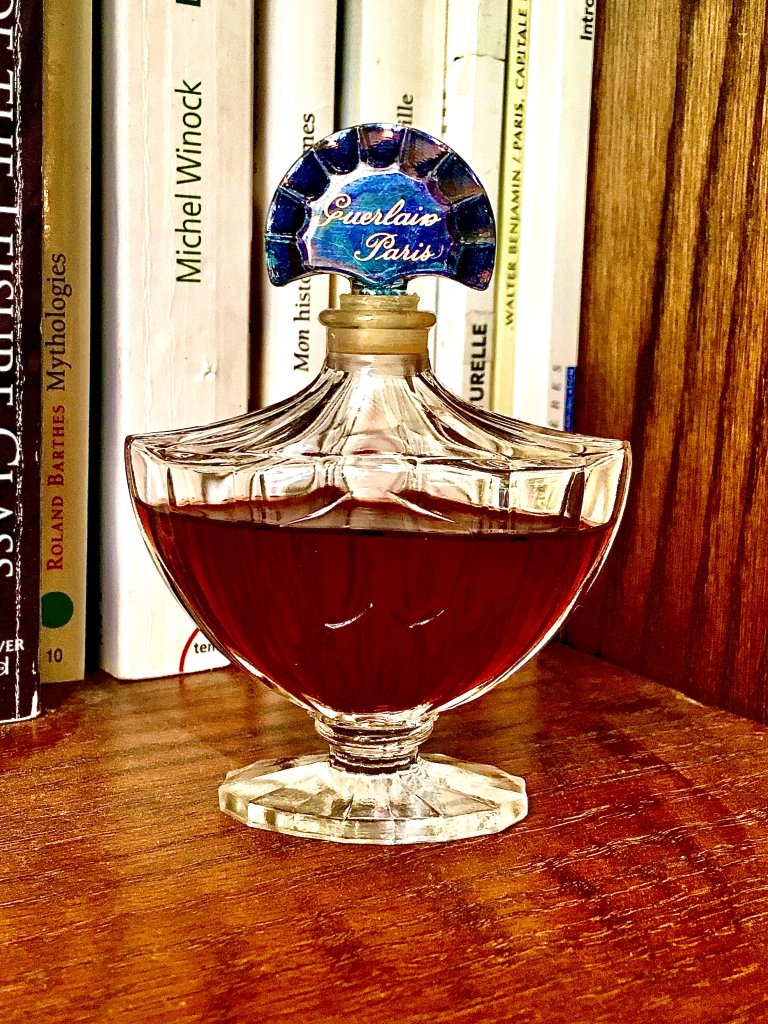
Shalimar by Guerlain has one of my favorite vintage bottle designs. Its iconic silhouette and exquisite details suggest that the fragrance inside must be equally exceptional.
Vintage fragrances often had a level of craftsmanship that’s rarely seen today. From the stoppers and cording to the gorgeous glass bottles, every detail was meticulously considered. Today, it would be incredibly expensive to make and use bottles like this. However, I think it’s a matter of priorities and customer demand. After all, we did it back then without the technology we have today.
Are there any contemporary perfumers whose work you particularly admire?
While my heart lies with vintage fragrances, I do appreciate the work of some modern perfumers. I’m particularly drawn to the indie and artisanal scene. For instance, I’m a big fan of Michael Schrammel from For the Scent of It. His self-taught approach, coupled with a deep understanding of perfume composition, results in truly exceptional fragrances. His Rose to Nowhere is a standout, offering an unconventional and unpredictable twist on the classic rose scent. I also admire Christophe Laudamiel’s work at The Zoo. His Spacewood perfume is daring, seeking to capture the idea of outer space, a scent that exists only in people’s imaginations.
In your opinion, what makes a fragrance timeless?
To me, a timeless fragrance is one that remains relevant and appealing across generations. It’s a combination of scent profile, cultural significance, and personal connection. A timeless vintage fragrance is one that modern noses can still appreciate and connect with, whether it’s due to the scent itself or the nostalgia it evokes.
Editor’s Note: Darren Alan is the owner and nose behind Darren Alan Perfumes.
Feature photo is a royalty-free image from Pixabay. Shalimar image provided courtesy of Yvonne Sohn. All other photos have been provided courtesy of Darren Alan.
Like what you’ve read here? Please comment and subscribe. I would love to hear from my readers about what interests them.


 Fragrances With Friends