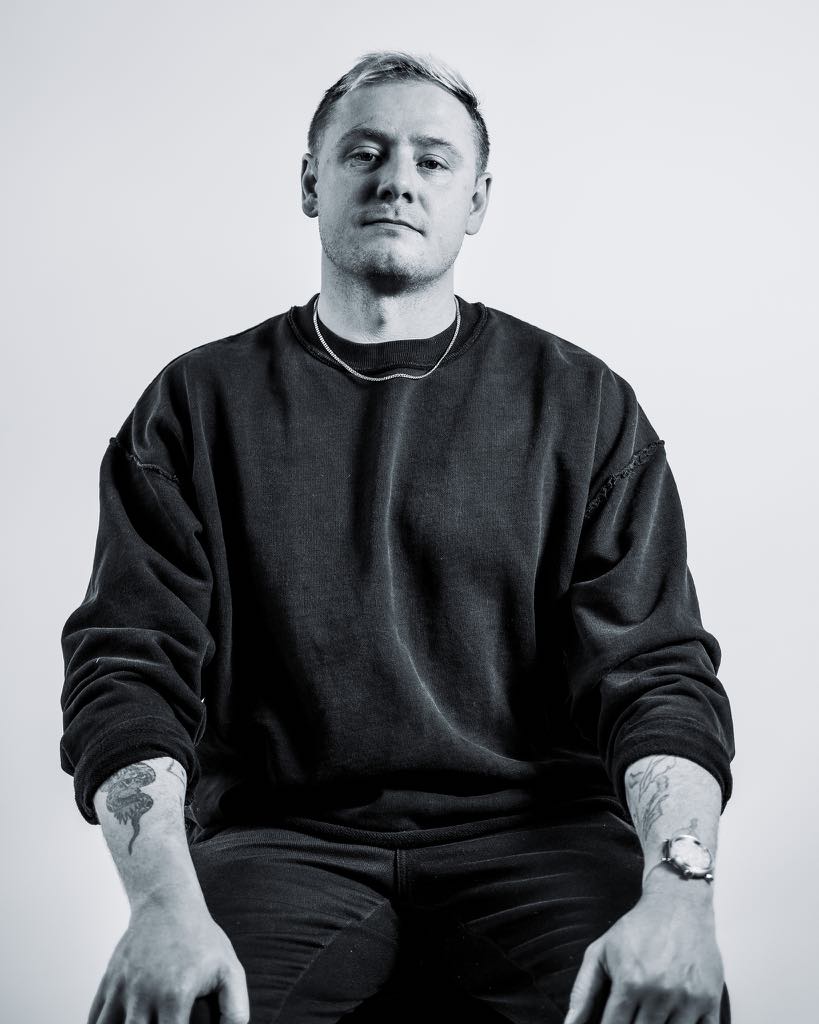
Arthur Clayton Emrick lives out a fantasy common to many fragrance lovers. He has turned his passion for perfume into a profession. Through his artisan perfume brand, Jinx, and his role in the online perfume community, Arthur advocates for an open and honest approach to perfume-making.
In this Fragrances with Friends interview, Arthur discusses the importance of transparency in perfume ingredients. He believes that by sharing knowledge and challenging traditional secrecy in the industry, we can create a better, safer, and more creative fragrance marketplace for all.
How did you become interested in perfume?
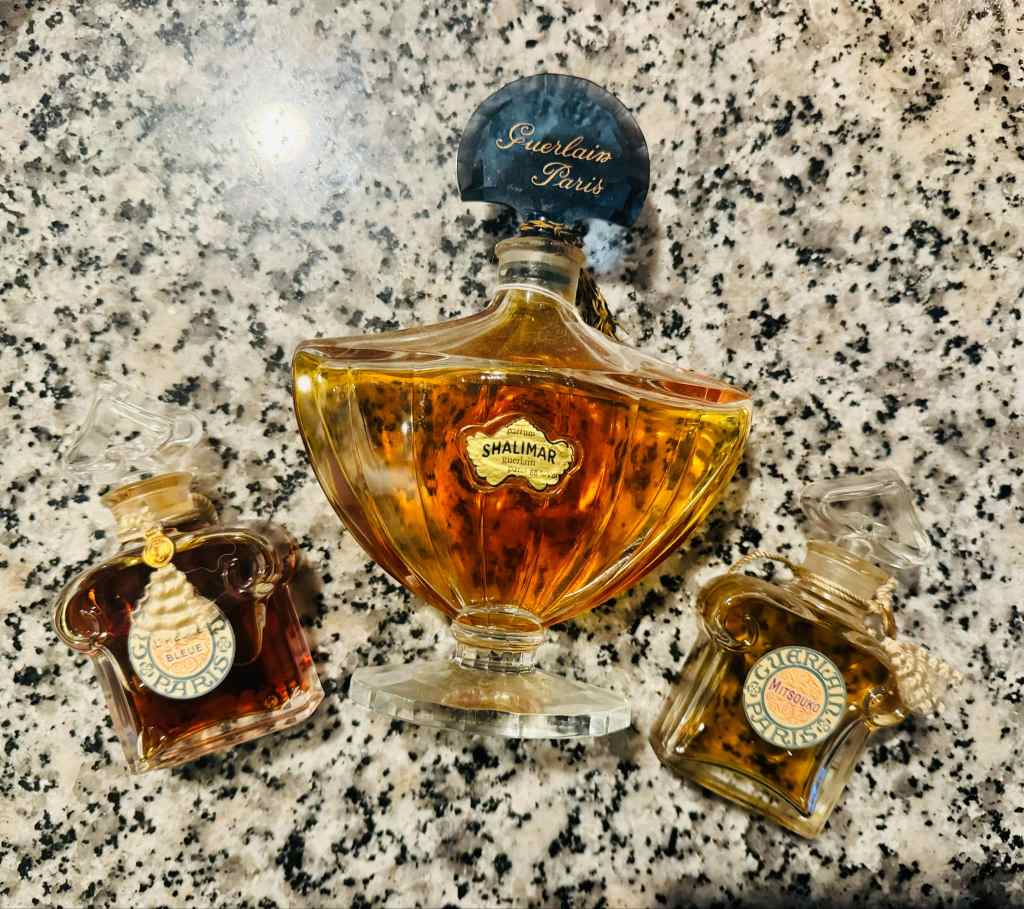
It was a gradual process. I used to go to estate sales and antique shows with an ex-girlfriend to find vintage clothing. I’d often come across vintage Guerlain bottles, like Shalimar and Mitsouko. I started collecting these and selling them on eBay.
Around 2011, I became interested in niche fragrances from brands like DS & Durga. Later, I discovered Areej le Dore and fell in love with their wild and crazy perfumes. My first purchase from that brand was War and Peace II.
The real turning point came when I bought a bottle of Tibetan Musk by Ensar Oud and took it with me on a trip to San Diego. I wore it constantly during that trip and, by the time I returned home, I had realized I wanted to translate my love for perfume into a career as a perfume maker.
You believe transparency is important in the perfume industry. What do you mean by that?
I believe transparency in the perfume industry is crucial for two main reasons.
- First, it’s a safety issue. The US doesn’t have a strict regulatory body for fragrances. And the International Fragrance Association (IFRA), which sets safety standards for the use of certain ingredients in fragrances, while helpful, can be inconsistent. Some of their regulations seem arbitrary, potentially influenced by large aroma chemical companies.
- Second, it’s about consumer trust. Consumers, especially those who are passionate about perfume, deserve to know what they’re paying for. Lack of transparency creates a misleading market and makes it difficult for brands that prioritize transparency to do business.
While complete transparency may not be feasible, brands should make every effort to provide accurate and honest information about their ingredients.
Why is there a lack of transparency in the perfume industry, and how do you think this affects creativity and innovation?
In my opinion, two primary tactors contribute to the lack of transparency in the perfume industry.
First, the desire to protect proprietary methods and techniques. Since perfume formulas can’t be copyrighted or trademarked, the industry relies on secrecy and gatekeeping to safeguard intellectual property.
Second, some brands may exaggerate their perfumers’ expertise or the uniqueness of their materials for marketing purposes. The less information they give, the easier it is to obfuscate. Many oud-based brands tell elaborate stories about sourcing and distilling. However, in reality, there are very few sources for these materials and most companies buy them from the same handful of suppliers. The brands gatekeep and exaggerate to prevent people from seeing the reality of humdrum commerce that’s actually happening behind the scenes.
This lack of transparency can stifle creativity and innovation. When consumers are uninformed, they are less likely to demand higher standards from perfumers. This can lead to a complacency where perfumers may prioritize quick profits over pushing the boundaries of perfumery.
How can the perfume industry foster a more open and collaborative environment?
I believe that transparency can create a more competitive and creatively stimulating industry. Perfumers and brands don’t need to divulge every secret, but disclosing a list of ingredients provides a solid foundation for understanding a fragrance. Sharing a detailed formula, however, isn’t necessary.
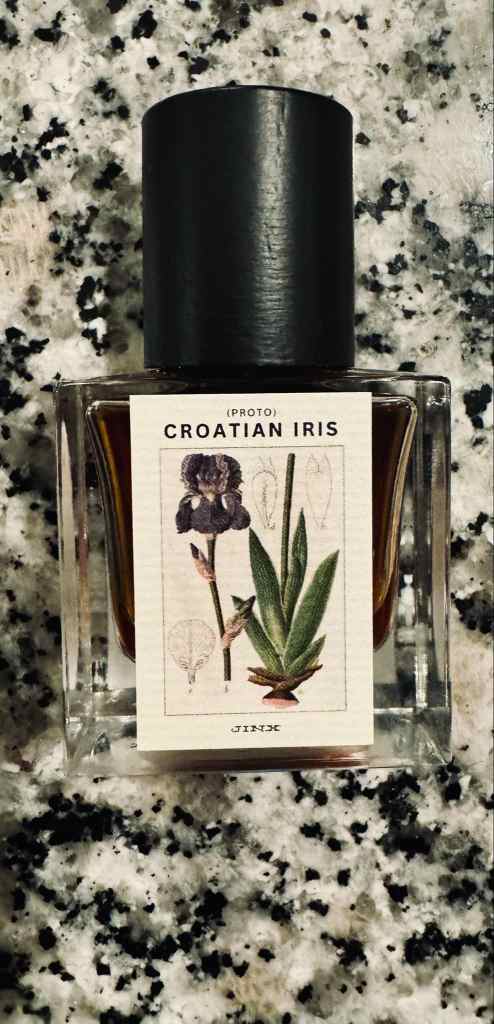
For example, I recently released a fragrance called Croatian Iris. Even if I shared every ingredient, you wouldn’t know the specific quantities, ratios, or subtle details of its creation. These nuances are crucial. Even a gas chromatograph mass spectrometry test wouldn’t reveal all the secrets, especially considering the use of a 50-year-old black currant bud material that’s irreplaceable.
By sharing knowledge and encouraging open dialogue, we can cultivate a more informed and discerning consumer base. This, in turn, can drive innovation as perfumers strive to create unique and groundbreaking fragrances. Ultimately, a balance between transparency and proprietary knowledge is key. Protecting certain aspects of the creative process is important, but a more open and collaborative approach benefits both consumers and the industry.
Can you think of historical examples of perfumes that were marketed with certain ingredients, but in reality contained something else?

Many French houses since the 1800s have claimed to use lily of the valley in their perfumes, but there’s no such ingredient. It’s all aroma chemicals, such as lilial and lilyflore and always has been. Lily of the valley flowers are too delicate to be extracted or distilled into a usable essence. Even if it were possible, it wouldn’t be advisable, as the plant is poisonous.
While lily of the valley fragrances may contain natural materials, they often rely on complementary ingredients like cyclamen accords, hawthorn accords, or honeysuckle.
How can fragrance lovers learn to identify inaccuracies in fragrance notes lists?
Materials experience. That’s all it is.
Before I delved into materials myself, I blindly trusted fragrance labels. It wasn’t until I experimented with different accords and understood how notes interact that I realized how misleading some notes lists can be.
You don’t need to be a perfumer to gain this experience. Anyone can start by exploring readily available materials like geranium, cumin, and immortelle. More expensive and rare ingredients like deer musk, rare ouds, and high-quality sandalwood can be sampled in smaller quantities. In the past, I have helped friends and fellow perfumers get their hands on materials for study.
Developing your nose is worth the effort for any fragrance enthusiast. By studying different ingredients, you’ll gain the ability to discern subtle nuances between similar scents, like distinguishing between jasmine sambac, grandiflorum, and articulatum.
Can you provide examples of brands that have created stronger connections with consumers through transparency? What are your favorite fragrances from these brands?
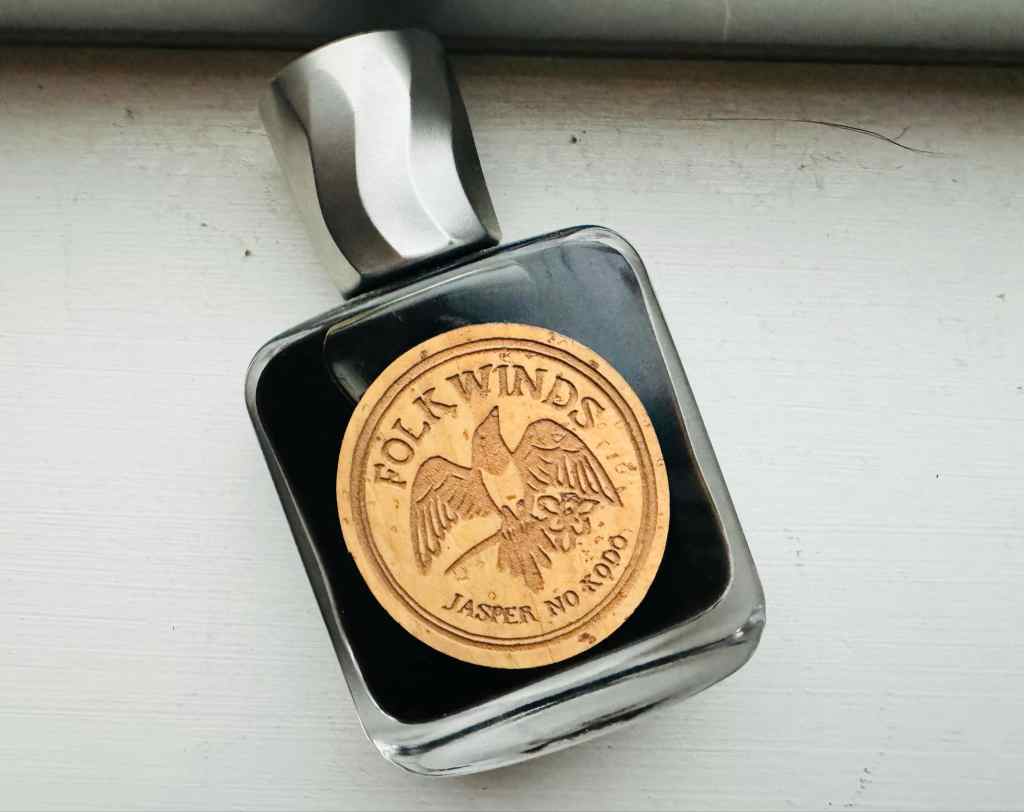
There is a small resistance to what I call “the perfume orthodoxy.” Brands like Folkwinds, Lost Tribe, Yaaseen Artisan Perfume House and Hunayn Parfums all value transparency and actively engage with their customers. Some of my favoritres from these brands are:
- By and By and Jasper no Kodo from Folkwinds.
- Sultry Sambac from Lost Tribe
- Apollo from Yaaseen Artisan Perfume House
- Melati Gaharu from Hunayn

How can brands that primarily use synthetic ingredients set a good example with ingredient disclosure?
Brands that primarily use synthetic ingredients face a unique challenge when it comes to ingredient disclosure. Many of these chemicals have complex names that are unfamiliar to most consumers. Rather than overwhelming people with technical jargon, these brands often opt for more descriptive terms like “peach,” “pear,” or “waxy floral.”
However, there’s still room for improvement. Even when using synthetic ingredients, brands can provide more detailed information. For example, when I use aroma chemicals in my products, I make sure to include their names in my product descriptions, along with brief explanations of their olfactory properties. This approach helps consumers understand the nuances of a fragrance, even if they’re not familiar with the technical terms.
How do you envision the future of the perfume industry given the increasing demand for transparency and personalization?
While large, mainstream brands may be slow to adapt, I believe smaller niche and indie brands are well-positioned to embrace these trends. Their agility allows them to respond to customer desires for personalized recommendations, custom blends, and other innovative offerings. Hopefully, this will drive innovation, creativity, and artistry within the industry.
Perfume images provided courtesy of Arthur Clayton Emrick. All other photos are royalty free images from Pixabay.
Like what you read here? Please subscribe to my blog and share it with others.





 Fragrances With Friends