I asked Paul Kiler, “If you could meet your perfume hero, living or dead, and ask them one question, what would it be?”
Paul immediately knew who he wanted to meet, but it wasn’t a perfumer—it was Vincent van Gogh. I decided to go with it, and I’m glad I did.
In this Fragrances With Friends interview, Paul explores what draws him to Van Gogh’s art and how that, in turn, inspires his love of perfume. He also shares the question he would like to ask Van Gogh, if he could go back in time.
How did your fragrance journey begin?
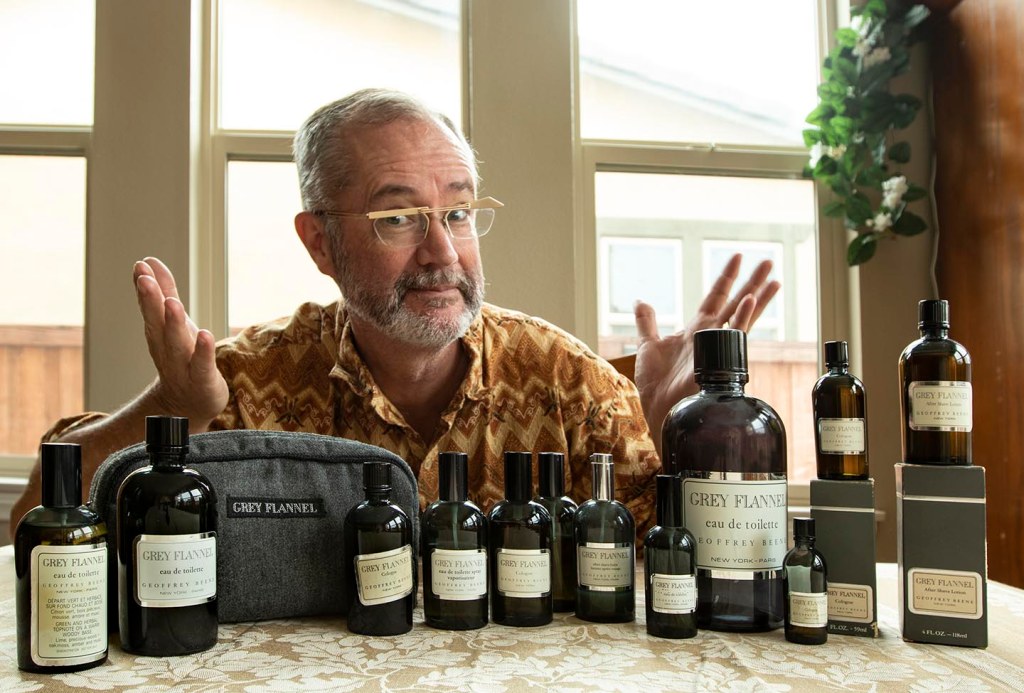
Maybe just a little.
I’ve always been drawn to fragrance, but I’ve also always had to be careful with it because certain ingredients cause me headaches. One of the first fragrances to make an impression on me was Grey Flannel by Geoffrey Beene, which I discovered when I was a photography student in the late 1970s. In the 1990s, frustrated by the lack of affordable fragrances that were both complex enough to be interesting and safe for me to wear, I decided to start creating my own fragrances.
Why do you connect so strongly with Vincent van Gogh as an artist?
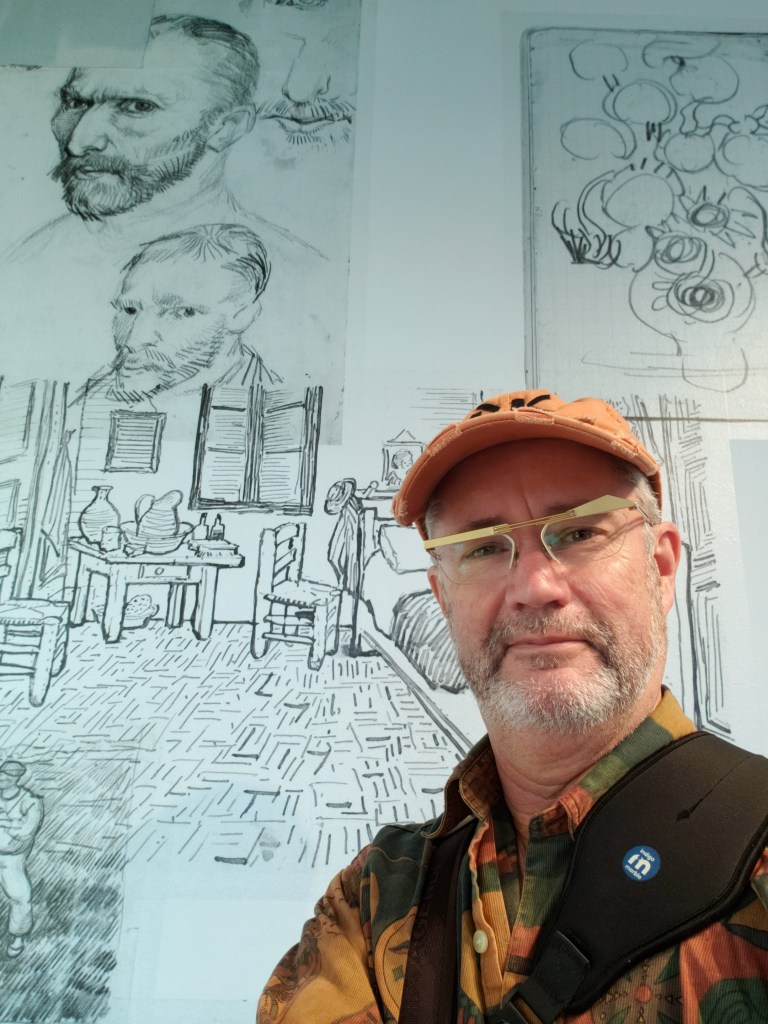
Vincent van Gogh was a keen observer of nature. He sought to understand the intricate patterns and structures that God’s hand had woven into the world around us. His style, while impressionistic, was rooted in a deep observation of reality.
I love realism as well. I believe it’s important to connect perfume to personal experiences of nature. Tuberose is my favorite flower, and I’ve always been disappointed in the quality of tuberose fragrances and especially the tuberose absolute available on the market; it doesn’t smell like fresh green flowers. Eventually this led me to create one of my own.
Van Gogh also infused his art with strong emotion. You can feel it when you look at it. When it comes to perfume, I think it’s better for people to have strong reactions—positive or negative—than for it to be bland and forgettable.
In my time, I’ve tried and made some truly polarizing fragrances. It takes all kinds, and not all art should be for everybody: that’s part of what makes it beautiful and powerful. I think this is something Van Gogh understood as well.
You also feel drawn to Van Gogh’s personal story. Can you tell me more about that?
Today, Van Gogh is revered as an artistic genius, but in his own time, he was anything but. He lived with mental illness. He was a person maligned by society, doubted by his parents, and had few friends. His work was dismissed, and no one believed in him. I identify with him because I have experienced many of these things in my own life as an artist.

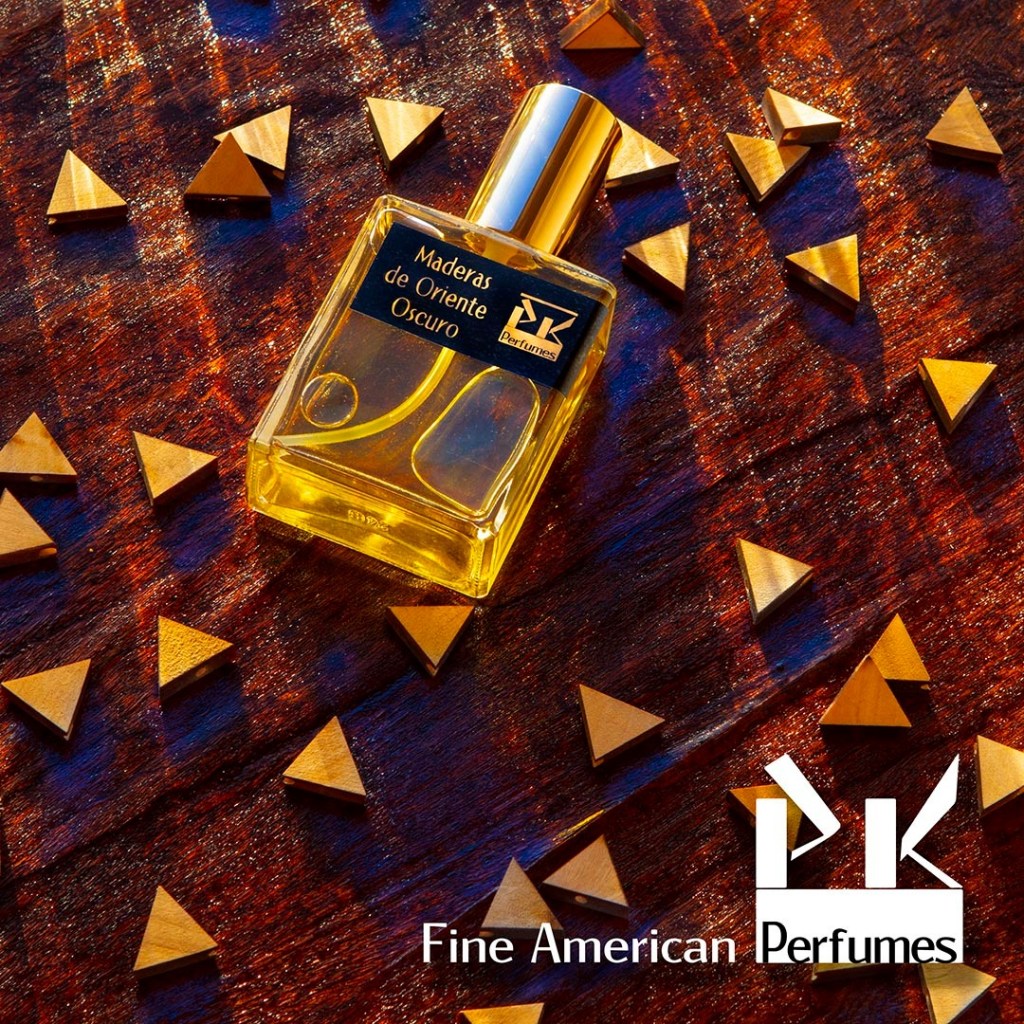
In 2019, I traveled to Amsterdam where I had the chance to achieve two important life goals: 1) I received my first Art & Olfaction Award (for Maderas de Oriente Oscuro), and 2) I visited the Van Gogh Museum. It’s hard to say which one meant more to me.
As I wandered the museum, I experienced such a deep reaction to Van Gogh’s art that I had to stop myself from crying. I could see what he was doing. I understood it intuitively: his use of color, his style, his choice of subjects.
I thought to myself, “I know what you’re doing, Vincent. I know where you are. I’m sorry the world failed you. Because we love you.”
Vincent needed good friends around him who loved him for who he was. He needed people who believed in him, even when he didn’t believe in himself.
One thing I’ve learned from being around Van Gogh’s work is to try to ignore people who don’t believe in you. It’s hard because you still need to find a way to make money. But money isn’t the most important end result of creativity; it’s just one of many. You have to find a happy medium that allows you to be who you are while still providing what you need to live.
I have also learned, and I try to teach my children, that failure is desired. Through failure, you learn. In perfumery, you have to expect years of failure before you can start to make something good.
Have you ever created perfumes inspired by Van Gogh paintings?
Yes, I have created two such perfumes, Starry Starry Night and Cafe Diem.

Starry Starry Night: This perfume was inspired by one of Van Gogh’s most famous paintings, Starry Night, depicting the view from his room at Saint-Rémy-de-Provence asylum the year before his death. I didn’t feel I could capture the swirly, starry stuff as a recognizable scent (Does the universe have a smell?). Instead, my perfume focuses on depicting the earthly elements of the painting: the cypress tree, the scent of flowers on the summer breeze, and the small town with smoke rising from its chimneys. I also try to convey the dreamlike feeling of wonder I experience when I look at this painting.
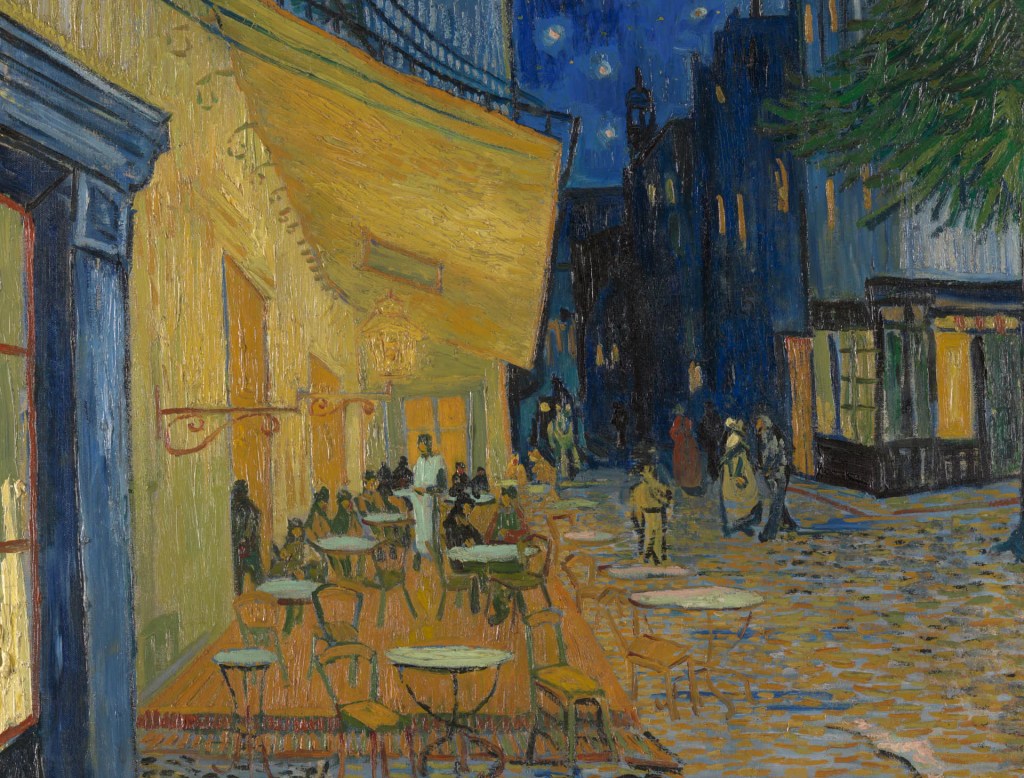
Cafe Diem: This fragrance is inspired by Van Gogh’s Cafe Terrace at Night, celebrating the 19th-century French café scene. My fragrance tries to capture the ambiance of this scene: the aroma of coffee and liquor, well-worn wooden tables, and incense from a nearby church.
I’m continually exploring other Van Gogh paintings for potential fragrance inspiration. While some paintings, like Cypresses and Two Women and Landscape at Twilight, offer more tangible elements to work with, others, like Wheatfield with Crows, present more abstract challenges.
I’m fascinated by the idea of translating the visual and emotional impact of a painting into an olfactory experience. There’s not always a lot to hang your hat on—how would I depict crows and corn in a perfume? There are many paintings that I love, but I haven’t figured out how to translate them into perfumes.
Van Gogh kept quinces, lemons and pears in his environment for inspiration. Do you do the same?

I keep a variety of fruits, including quinces, lemons, and pears, in my environment to study their scents and flavors. Fortunately, I live in California, where many of these fruits grow. I’m drawn to the realism of natural scents. I try to capture the essence of a fruit or flower, including its green notes, which contributes to a feeling of freshness and vitality.
Over time, I’ve created a variety of fruit-inspired bases for use in fragrances, including quince, pineapple, peach, white peach, and apricot. I use these bases in my perfumes and I sell them to other perfumers. You can smell my apricot base in The Forbidden Temple by Statik Olfactive.
Fruity fragrances are popular right now, but most of the ones you find on the market are overly sweet and full of vanilla. These perfumes are shooting for “pleasant and pretty” in order to make as much money possible. But in my opinion, they’re missing the opportunity to really connect with customers, giving them fantasy fruit scents rather than fragrances that smell like something real.
I believe that by understanding the nuances of natural scents, we can create more authentic and captivating fragrances.
Van Gogh often included sunflowers and irises in his paintings. Do these flowers inspire you as well?
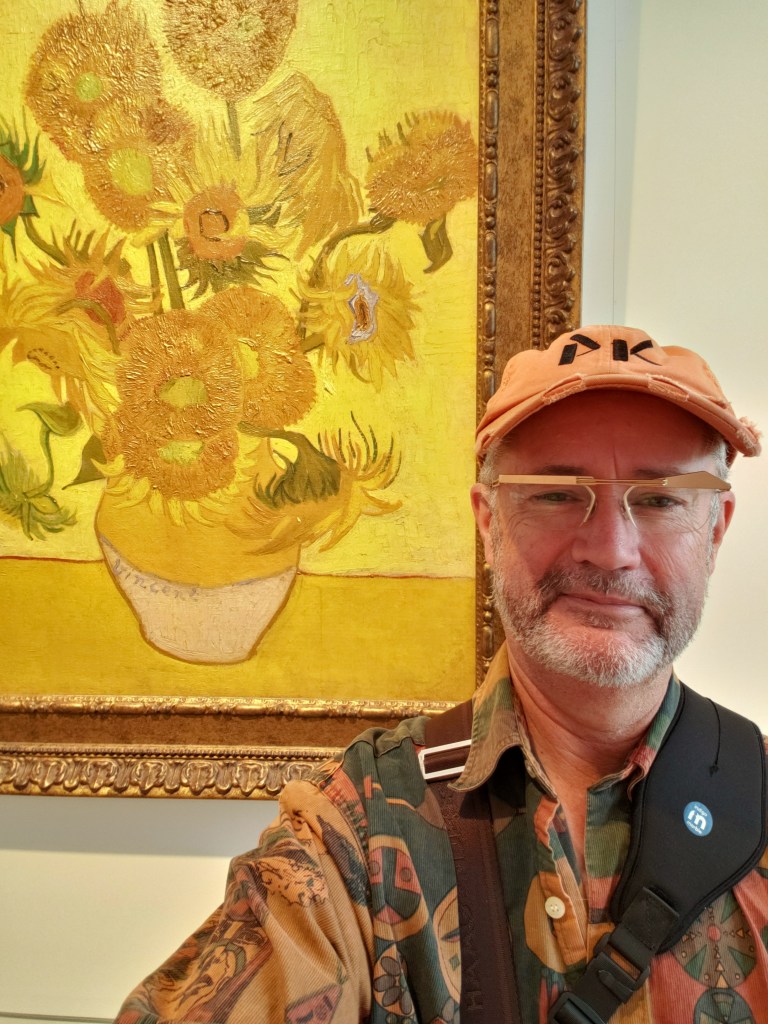
While I appreciate Van Gogh’s use of sunflowers, I find them challenging to translate into fragrance. Sunflowers don’t have a strong scent, so any floral fragrance inspired by them is often an abstract “solar” interpretation.
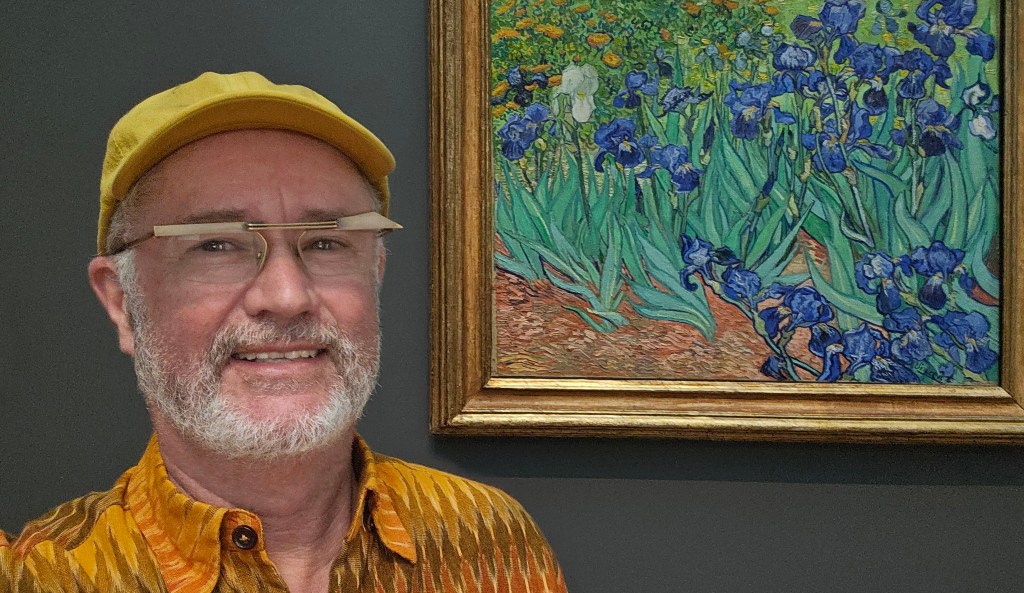
I’m more inspired by his use of irises. The part of the iris (orris) used in perfumery is the dried root of the plant. It has a cool, green, powdery, sometimes earthy scent that adds depth and complexity to a fragrance. I am working on a fragrance for an upcoming collection inspired by Van Gogh’s iris paintings and by his still life with quinces, lemon, pears and grapes.
If you could go back in time and ask Van Gogh one question what would it be?
If I could go back in time, I wouldn’t necessarily want to ask Van Gogh a question. Instead, I’d want to be his friend. I’d want to offer him support and understanding during a difficult time in his life.
I’d like to think that I could offer him a different perspective, someone who appreciates his talent and understands his struggles. Perhaps I could help him navigate the challenges he faced and provide the emotional support he so desperately needed.
Ultimately, I’d simply want to be there for him, a friend and a fellow artist who truly sees and understands him.
Paul Kiler is the owner and perfumer behind PK Perfumes.
All images in this article are either in the public domain or are courtesy of Paul Kiler.
Like what you read here? Want to hear more from enthusiasts and perfumers in our fragrance community? Please subscribe to by blog and share it with a friend.



 Fragrances With Friends